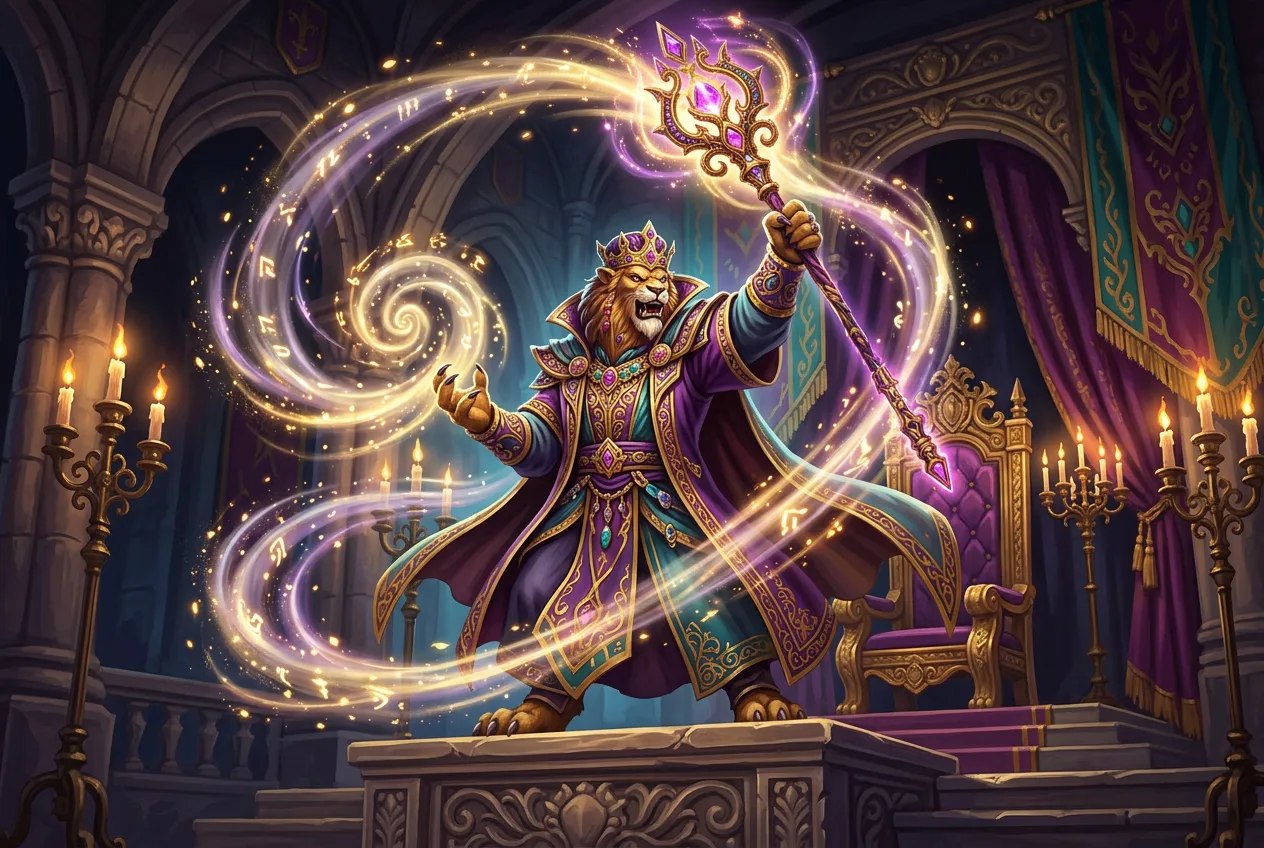
You log into Monster Legends on the morning of August 13, 2026, and the Nintendo Era banner is gone. In its place is the Aristocratic Era, a new Mythic cycle with a 27-day timer already counting down. You have gems, event tokens, and a half-formed plan that amounts to “see what the new Wind element does.” Then you open the Season 1 menu and see eleven new monsters, a brand-new rarity, and a separate viability ranking, and “see what it does” quietly becomes “figure out what actually matters before September 9.”
That’s the spot most players are in right now. The Aristocratic Era is five days old, the info is split across a maze, a race, a Bounty Hunt, and a summon event, and everyone is asking the same question: is the Wind element worth rebuilding my team for, or is it a trap. This guide answers that. It covers what the Aristocratic Era actually changes, why the Wind element is not the real story, what Pseudo Ancestor monsters are, which Season 1 monsters to build, and how to spend your resources without lighting them on fire.
What the Aristocratic Era Actually Changes
You open the era menu and tap into the new Aristocratic book, and two things jump out immediately. The book is thinner than last era’s, and there’s a rarity icon in it you’ve never seen before. You close it, re-open it, and wonder if you missed a filter. You didn’t. The Aristocratic Era is not just a reskin of the last era with a new coat of paint. It replaces the Nintendo Era, and it does three things differently.
First, the seasons got tighter. Aristocratic Seasons run 27 days each, and each season drops fewer monsters than earlier eras did. Season 1 runs August 13 to September 9. Fewer monsters means each one matters more, and there’s less filler to skip past while you hunt for the good one.
Second, the era is themed around a single location: Monstown High. If you open the monster bios, they all tie back to a school setting, from Nurse Cackle running the infirmary to Viceprof Dean handing out double-detentions. Extremely Bad Kitty is the face of the whole thing. Its lore has it taking over Monstown High and literally declaring the start of the Aristocratic Era. We already broke down its kit in the Kitakami Era guide, so I won’t repeat it here. The point is that the Aristocratic Era has an identity, and it’s a weird one, which matters because it signals a different design philosophy than the Nintendo Era’s clean fantasy beats.
Third, and this is the part most players are sleeping on, the era introduces a whole new rarity tier. More on that in a minute, because it’s the actual headline, not the Wind element.
The Wind Element Is a Trap If You Build Around It
Let me talk you out of the most common day-one mistake before it costs you runes.
The new Wind element has exactly two matchups. Wind is strong against Earth and weak against Dark.
| Element | Strong vs | Weak vs | What it means for you |
|---|---|---|---|
| Wind | Earth | Dark | Bring Wind when you scout Earth; bench it the moment Dark is likely |
That’s the entire chart. It’s simple, and that simplicity is exactly why people overthink it.
Here’s the scenario I keep watching play out. A player pulls a Wind monster, sees “new element,” and assumes new means powerful. They build a full Wind arena defense. Then they queue into a bracket full of Dark attackers and get farmed for a whole afternoon. The counterintuitive move is to treat Wind as a flex slot, not a strategy. Bring one Wind monster when you scout an Earth-heavy defense, and keep a Dark answer next to it for the mirror.
The reason this surprises people is that “new element” has never meant “best element” in Monster Legends. Dark was already strong against Earth before Wind showed up, so Wind just gives you a second anti-Earth tool. It doesn’t break the elemental mastery guide rules. It adds one more piece to the same chessboard. If you want to climb the arena, read the PvP guide before you spend books on the new toy.
Pseudo Ancestors Are the Real Headline
You tap 4-SOSEN in the Conjuring preview and its stat block loads in a layout you’ve never seen, with numbers that don’t match the Mythics sitting next to it. If you only remember one thing from this article, make it this: the Wind element is a side note. The Pseudo Ancestor monsters are the actual reason to pay attention to the Aristocratic Era.
A Pseudo Ancestor is a new rarity above the normal Mythic pool. The giveaway is that stat block you just saw. When you open a Pseudo Ancestor’s page, it doesn’t use the standard Mythic template. It has a different layout and stats that sit far above what a regular Aristocratic Mythic offers. That’s why the wiki and the in-game ranking separate Aristocratic monsters into their own Viability Ranking instead of lumping them in with other Mythics. The stats are too high to compare fairly.
The poster child is 4-SOSEN, a Water and Dark Attacker. It carries the Artifact, Cooldown Immunity, and Trait Protection traits, which is a loaded defensive package before you even look at its damage. It also brings Daze and Drowned into its kit, and it awakens after your team applies Daze or Drowned eight times, which then activates its second set of traits. It’s a Pseudo Ancestor, not a regular Mythic, and it’s the kind of monster that stays usable long after the era’s theme moves on.
The practical takeaway: Pseudo Ancestors are where your long-term gems should go. The school-themed Season 1 Mythics are fine, but their stats won’t outlive the era the way a Pseudo Ancestor’s will.
Season 1 Roster: The Monstown High Batch
You scroll the Season 1 book and count eleven monsters, and the game doesn’t tell you which one is actually good. You see a nurse, a vice principal, a pirate, and two different Wind monsters, and you have no idea where to point your tokens. Eleven is a lot to parse, so here’s the short version: most of them are skippable, and a couple are worth your attention.
| Monster | Elements | Role | Why it matters |
|---|---|---|---|
| Thailung | Water + Wind | Attacker | The best Wind carry of Season 1. True Vision and Pierce on an Attacker means it hits Earth hard and ignores common defenses |
| Tygrattler | Wind + Dark | Curser | The second Wind rep. Good, but Curser is a crowded role, so only build it if you have no Curser already |
| Corvishock | Thunder + Dark | Attacker (D-tier) | The ranking itself lists it near the bottom, so it’s the “avoid” pick unless you love the theme |
Thailung is the monster to build if you want a Wind presence this season. Water plus Wind means it’s not purely all-in on the Wind weakness the way a single-element Wind monster would be. True Vision and Pierce on an Attacker is a real combo, because it lets you punch through the damage-reduction tricks that normally wall attackers.
Tygrattler is the other Wind option, a Wind and Dark Curser. It’s genuinely useful because its Dark half covers its own Wind weakness on offense, but Curser is a role a lot of rosters already have filled. If you already run a Curser you trust, Tygrattler is a pass. If you don’t, it’s a decent pickup.
The rest of the roster, from Corvishock’s D-tier listing to the middle picks like Katufo V2.0 and the filler monsters, is fine but replaceable. Don’t spend scarce tokens on a monster you’ll bench in two weeks just because it’s new.
Free vs Golden Legends Pass: A Decision Framework
Here’s the decision that actually keeps players up at night: you have one Legends Pass budget, and you can only commit to one track. Do you go Free or Golden?
Let me make it concrete with the resource math that actually matters.
Step one: figure out whether you can realistically finish the Free track’s maze monster before September 9. The Free Legends Pass monster is also available in the maze, which means the Free track is the grind-friendly path. If you log in daily and clear the maze, you can finish it without spending. If your daily play is spotty, the Free track’s maze monster will sit half-finished when the season closes.
Step two: only buy the Golden pass if the paid-track monster is a Pseudo Ancestor or a top-of-ranking Mythic. The Golden Legends Pass has its own monster behind the paywall, and that’s the only thing you’re really paying for. If that monster is a mid-tier school Mythic, the Golden pass is a worse deal than saving the same gems for the Conjuring channel that drops Pseudo Ancestors.
Step three: never spend the Era Shop special unless everything else is done. The Era Shop monster is a gem sink, and gems are the one currency that carries over to the next era. Tokens expire. Gems don’t.
The whole framework is: finish the Free maze monster, buy Golden only if the paid monster is genuinely top-tier, and treat the Era Shop as a last resort. If you only have one gem budget, the answer is usually “hold it for the Conjuring channel,” not “dump it on the first school Mythic you see.”
The Failure Review: How I Wasted a Week on the Wrong Monster
Let me show you the exact mistake so you don’t make it.
A player I know pulled a Wind monster on day one and decided the new element was a power spike. He spent a week’s worth of runes and books building a full Wind lineup, then queued into ranked. Within three matches he’d hit two Dark-heavy teams and dropped rank. The mistake wasn’t the Wind monster. It was building an entire strategy around a matchup that loses to the most common element in PvP.
The recovery was slower than the mistake. He had to bench two of his three Wind monsters, which meant the runes and books he’d poured into them were effectively dead weight until the next time Earth-heavy defenses came around. He could have avoided the whole thing by running one Wind monster as a flex and keeping his old, proven team intact.
The second, quieter failure is people spending tokens on the wrong Season 1 Mythic. Eleven monsters means eleven ways to waste tokens, and the most common one is grabbing a mid-tier school monster early because it’s within reach, then coming up short on the one that actually mattered. The fix is the framework above: check what you can finish, and commit to the top pick, not the reachable pick.
What Comes After Season 1 (and Why It Matters Now)
You check the era roadmap and see six seasons already laid out with dates, running all the way into late January 2027. The last thing to know is that planning around that roadmap now saves you a scramble later.
4-SOSEN, the Water and Dark Pseudo Ancestor Attacker, arrives in Season 2, which starts September 10 and runs to October 7. It comes from Pandalf’s Conjuring, the same summon-style channel you may know from other events. Then Season 3 brings Empress Luthien II, a Light and Wind monster, on October 8. Each season layers one more Conjuring monster on top.
The reason this matters today is that gems and conjuring pulls carry over, but a wasted Season 1 spend doesn’t. If you want 4-SOSEN, start saving now. The players who blow their gem stash on a mid-tier Season 1 Mythic are the ones who show up to Season 2 with an empty wallet and watch 4-SOSEN pass them by.
One more thing: the Live Duels split changed with the era. Grandmaster Duels now run a full roster of Aristocratic Era monsters, while Classic and Grand Duels still run the Minecraft and Nintendo rosters. If you’re climbing the PvP ladder, check which bracket you’re actually queueing into, because the monster pool is different at each tier.
The Bottom Line
The Aristocratic Era is not about the Wind element. Wind is a two-matchup side note: strong against Earth, weak against Dark, and a full Wind team is a ranked ladder donation. The real story is the Pseudo Ancestor monsters and the tighter season structure, and the smart play is to finish one solid Season 1 Mythic, then hold your gems for the Conjuring channel that drops 4-SOSEN on September 10.
Pick your one target, do the reach math before you spend, and don’t let a shiny new element talk you into a team that loses to Dark.